
Hand and wrist pain have become increasingly common due to modern lifestyles that involve prolonged computer use and repetitive movements. One of the most frequent conditions associated with these complaints is carpal tunnel syndrome. This condition can significantly affect daily activities, work performance, and overall quality of life if left untreated. Understanding its causes, symptoms, and treatment options is essential for early intervention and long-term relief.
What is Carpal Tunnel Syndrome?
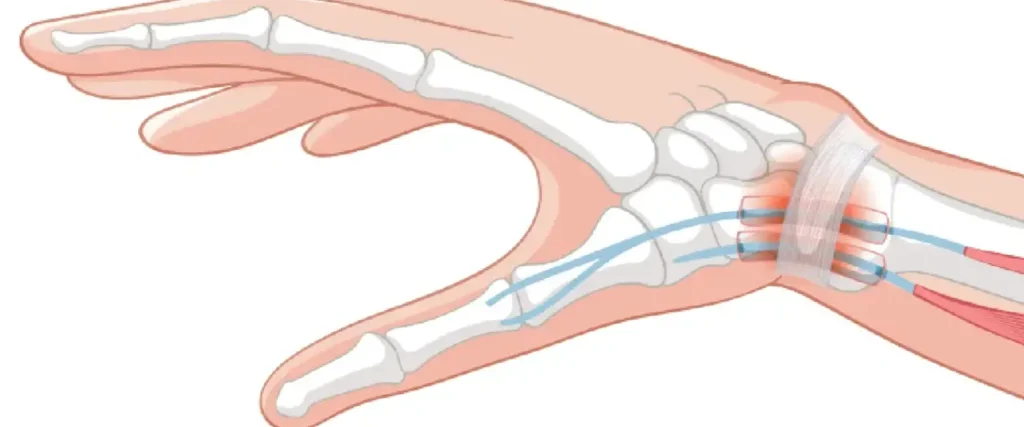
Carpal tunnel syndrome is a condition caused by compression of the median nerve as it passes through the carpal tunnel in the wrist. This narrow passageway is surrounded by bones and ligaments, leaving limited space for the nerve. When pressure increases in this area, nerve function is affected, leading to pain, numbness, and weakness in the hand.
The condition can occur in one hand or both hands. In more advanced cases, bilateral carpal tunnel syndrome may develop, making everyday tasks such as typing, gripping objects, or even holding a phone increasingly difficult.
What Causes Carpal Tunnel Syndrome?
Carpal tunnel syndrome does not usually result from a single cause. Instead, it develops due to a combination of factors that increase pressure on the wrist and median nerve over time.
Prolonged Computer Use
Long hours spent using a keyboard and mouse can strain the wrist, especially when ergonomic support is lacking. Improper hand positioning may increase pressure within the carpal tunnel and contribute to nerve compression. Over time, sustained static posture and limited wrist movement can reduce blood circulation in the area, making the median nerve more vulnerable to irritation and discomfort.
Overstraining of the Hand and Wrist
Excessive force applied during daily activities or work tasks can overload the wrist structures. This strain may lead to inflammation, which narrows the carpal tunnel and increases nerve pressure. Lifting heavy objects, gripping tools too tightly, or performing tasks without adequate rest can accelerate tissue fatigue and increase the risk of long-term nerve compression.
Repetitive Hand Movements
Jobs or activities that involve repetitive hand and wrist movements—such as typing, assembly work, or using handheld tools—are common risk factors. Over time, these repeated motions can irritate the tendons and surrounding tissues. Continuous repetition without sufficient breaks may cause micro-trauma in the wrist, eventually triggering persistent pain, stiffness, and numbness.
What are the Symptoms of Carpal Tunnel Syndrome?
Symptoms often develop gradually and may worsen if the condition is not addressed early. While severity varies, common signs include:
- Numbness or tingling in the thumb, index, and middle fingers
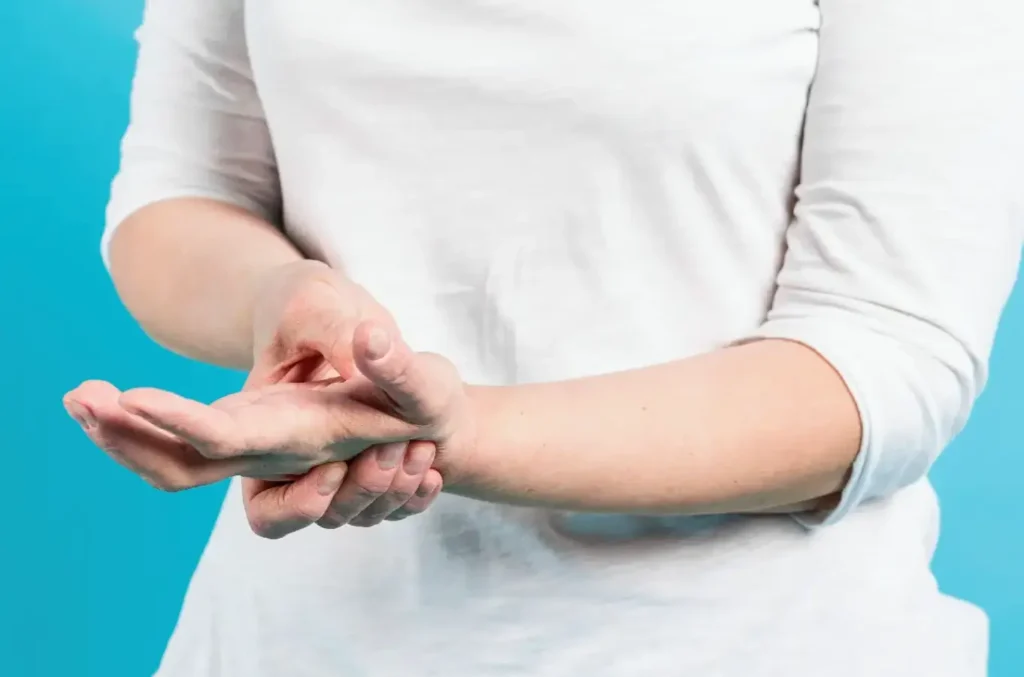
- Wrist pain that may radiate to the forearm
- Weakness in the hand or difficulty gripping objects
- Increased discomfort at night or during repetitive tasks
- Loss of fine motor control in advanced stages
Early carpal tunnel syndrome diagnosis plays a critical role in preventing permanent nerve damage. Ignoring these symptoms may lead to long-term functional limitations.
How is Carpal Tunnel Syndrome Treated?
Carpal tunnel syndrome treatment depends on the severity of symptoms and how early the condition is identified. Mild to moderate cases often respond well to conservative approaches, while advanced cases may require medical intervention.
Treatment options may include activity modification, ergonomic adjustments, wrist splinting, and manual therapy techniques. In many cases, a combination of approaches provides the best results. While there is no instant carpal tunnel syndrome cure, consistent and targeted care can significantly reduce symptoms and improve hand function.
Massage therapy plays a supportive role by reducing muscle tension, improving circulation, and relieving pressure around the wrist and forearm. These techniques can help manage discomfort and support long-term recovery when applied correctly.
Wrist and Hand Relaxation Applications with OWWN Heal
At OWWN Heal, wrist and hand relaxation applications are designed to support individuals experiencing carpal tunnel-related discomfort. Each session focuses on releasing tension in the hand, wrist, and forearm while improving mobility and circulation.
OWWN Heal integrates specialized massage techniques with a personalized approach, ensuring that pressure and methods are adjusted to individual needs. Their services include targeted manual therapy and sports massage Ankara applications, which are particularly beneficial for those whose symptoms are linked to repetitive strain or physical activity.
These relaxation applications do not replace medical treatment but work as a complementary method to reduce discomfort and support functional recovery. When combined with proper ergonomics and professional guidance, massage can play an important role in managing carpal tunnel syndrome symptoms and improving overall hand health.