
Therapeutic Massage

The human body is an impeccable archivist. It meticulously records every prolonged hour at a desk, every repetitive physical strain, and every unresolved emotional tension, storing them deep within the myofascial network. Over time, these accumulated burdens transform into chronic pain, restricted mobility, and severe postural imbalances. When the musculoskeletal system is locked in this state of continuous guarding, a standard relaxation routine is no longer sufficient.

For those navigating the demands of urban life in Ankara and seeking a fundamental structural reset, therapeutic massage provides a targeted, clinical intervention. At our practice in Çankaya, this modality is engineered to look beyond the symptom of pain and directly address the biomechanical root cause, facilitating a profound physical recalibration.

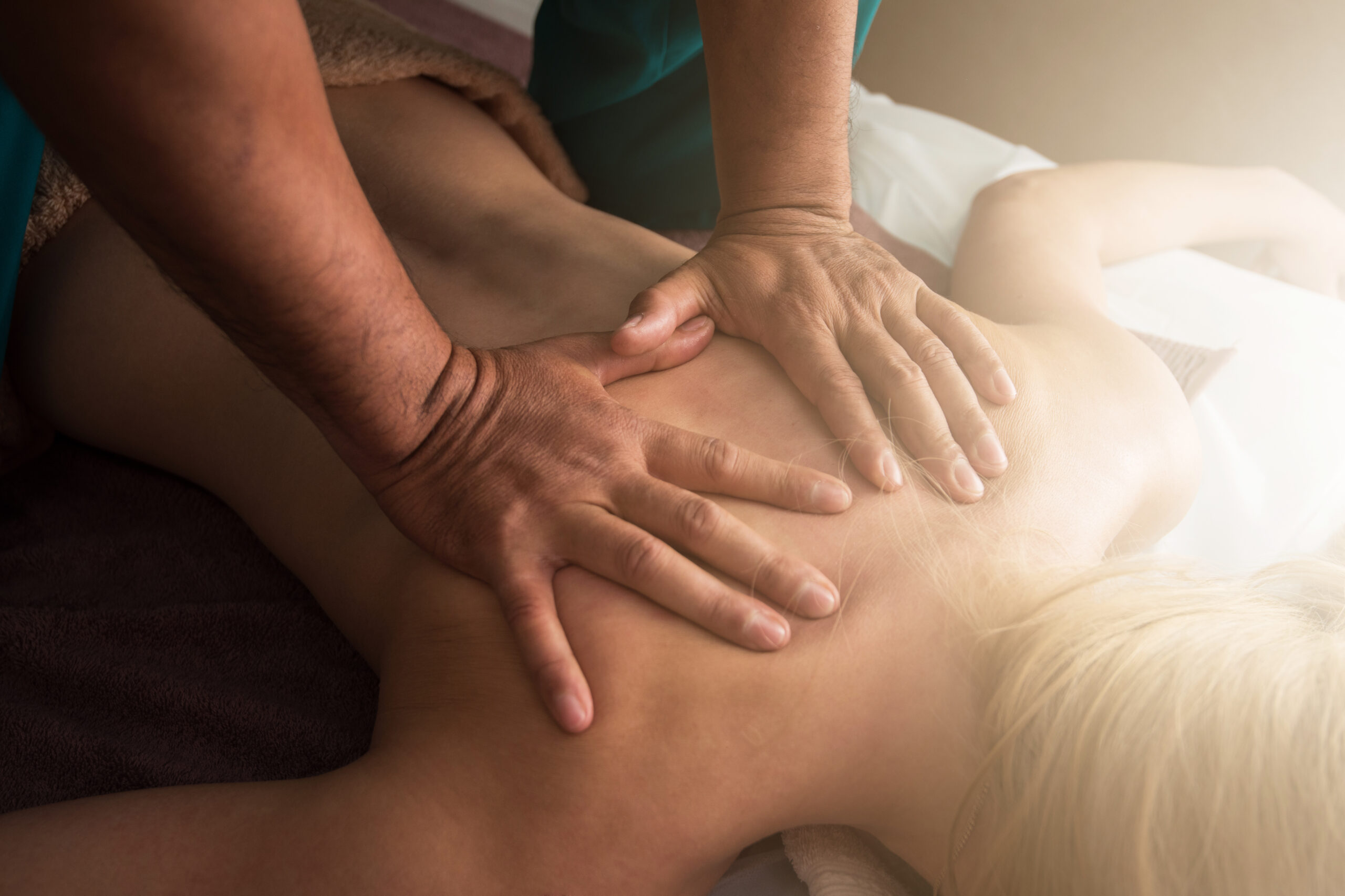
The human body is an impeccable archivist. It meticulously records every prolonged hour at a desk, every repetitive physical strain, and every unresolved emotional tension, storing them deep within the myofascial network. Over time, these accumulated burdens transform into chronic pain, restricted mobility, and severe postural imbalances. When the musculoskeletal system is locked in this state of continuous guarding, a standard relaxation routine is no longer sufficient. For those navigating the demands of urban life in Ankara and seeking a fundamental structural reset, therapeutic massage provides a targeted, clinical intervention. At our practice in Cankaya, this modality is engineered to look beyond the symptom of pain and directly address the biomechanical root cause, facilitating a profound physical recalibration.

A Clinical Dialogue with the Fascia

Therapeutic massage is distinct from conventional spa therapies in its highly specific, problem-solving nature. There is no pre-choreographed sequence. Instead, the session begins with a precise anatomical assessment of your unique structural holding patterns.

By integrating deep tissue techniques, trigger point therapy, and myofascial release, the practice focuses on breaking down adhesions—the dense, rigid knots of tissue that restrict blood flow and impinge upon nerve pathways. The goal is not merely to soothe the surface, but to dismantle the pain-spasm cycle at its core, restoring the tissue to its natural, pliable state.

Biomechanical and Neurological Restorations

When targeted pressure is applied with an understanding of the body’s neurological feedback loops, the outcomes extend far beyond temporary relief:

  • Eradication of Trigger Points: Deactivates hyper-irritable nodules within the skeletal muscle, providing immediate relief from referred pain (such as tension headaches originating from the neck and shoulders).

  • Postural Realignment: Lengthens chronically shortened muscles (typically the pectorals and anterior deltoids) while stimulating weakened antagonists, allowing the spine to effortlessly return to its neutral axis.

  • Restoration of Range of Motion: Liberates restricted joints by softening the surrounding fascial casing, returning fluid, uninhibited movement to the limbs and torso.

  • Ischemic Compression Release: Flushes out stagnant metabolic waste (such as lactic acid) trapped in rigid tissues, paving the way for oxygen-rich blood to accelerate cellular repair.

The Principle of Tolerable Depth

Effective structural work requires navigating the fine line between therapeutic intensity and neurological resistance. If pressure is applied too aggressively, the central nervous system perceives it as a threat, causing the muscles to contract defensively.

Our approach is rooted in the principle of working with the nervous system, not fighting against it. We sink into the deeper layers of the musculature only as the tissue invites us in, guided by your breath and physiological responses. This ensures that the deep structural unwinding occurs within your window of tolerance, resulting in lasting anatomical change rather than temporary bruising or nervous system shock.